Stop-Motion Animation
Puppets and clay, moved frame by frame. Stop motion brings puppets and clay to life one photo at a time. Its pioneers, from Starewicz's insects to King Kong and modern studios.
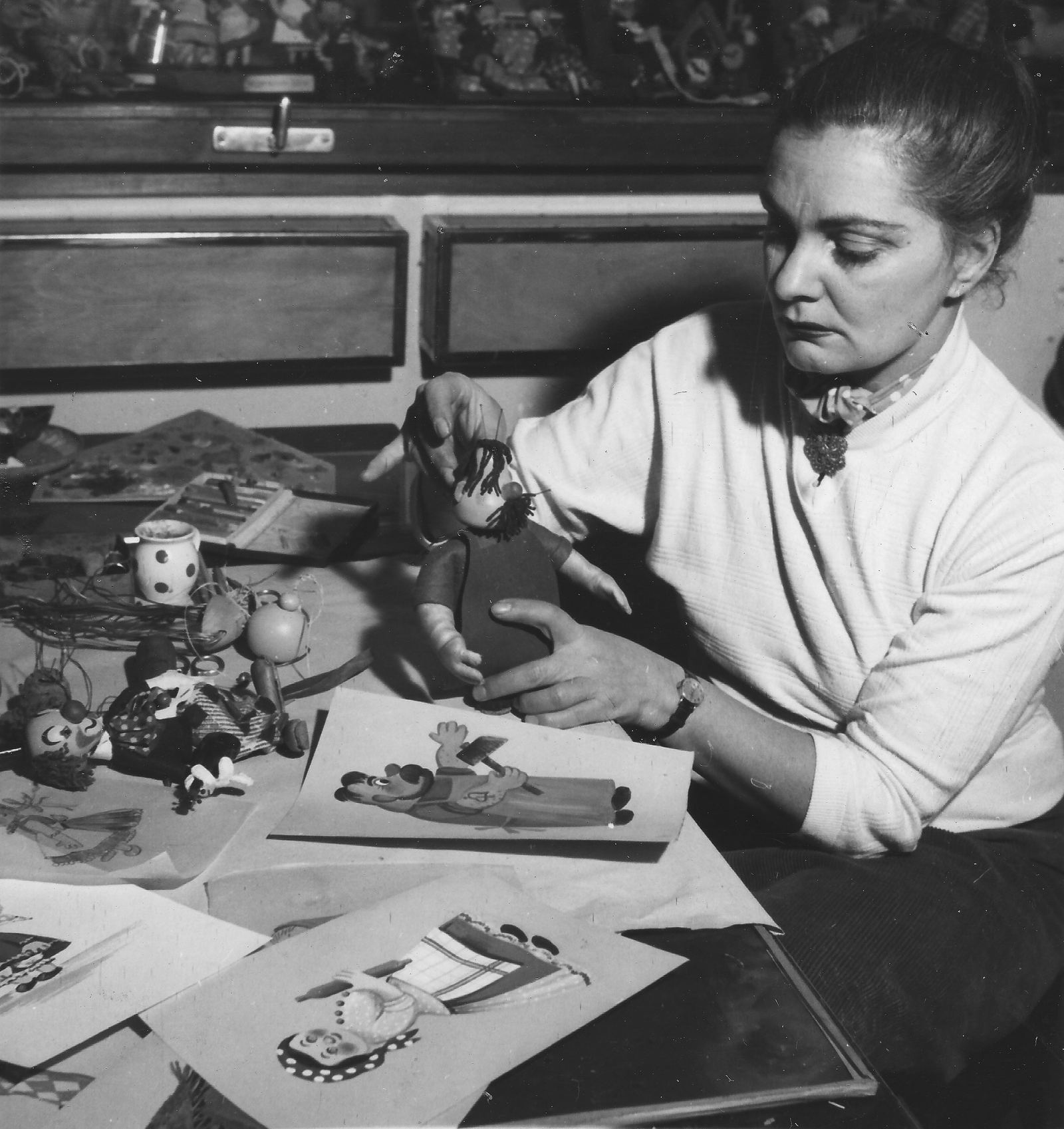
A puppet studio in 1955: Unicumcafe, CC BY-SA 4.0
How it works
Stop motion uses real objects instead of drawings. An animator poses a puppet, takes one picture, moves it a tiny amount, then takes another. Played back at 12 to 24 frames per second, the pictures become movement. Most puppets are built around an armature, a metal skeleton with joints that hold a pose, and covered in fabric, foam, silicone or clay.
It is famously slow. A good day on a feature film might produce only a few seconds of finished animation for one animator.
Insects, clay and a giant ape
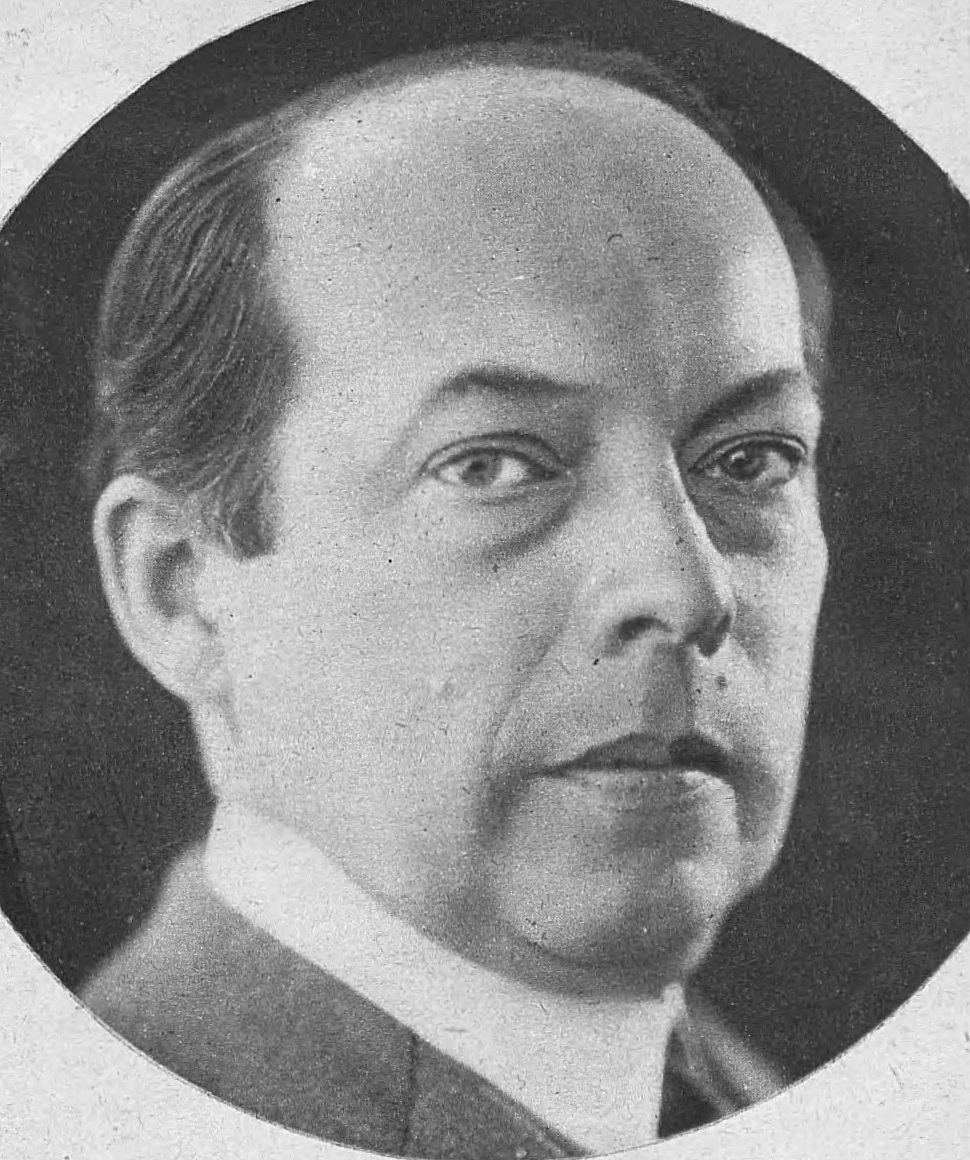
One of the first great stop-motion artists was Ladislas Starevich, a Polish-Russian museum director who could not film living beetles under hot studio lights. Around 1910 he built beetle puppets with wire legs instead. His 1912 film The Cameraman's Revenge told a comic story with insect actors and amazed audiences. After moving to France he finished The Tale of the Fox in 1930, the first stop-motion feature.
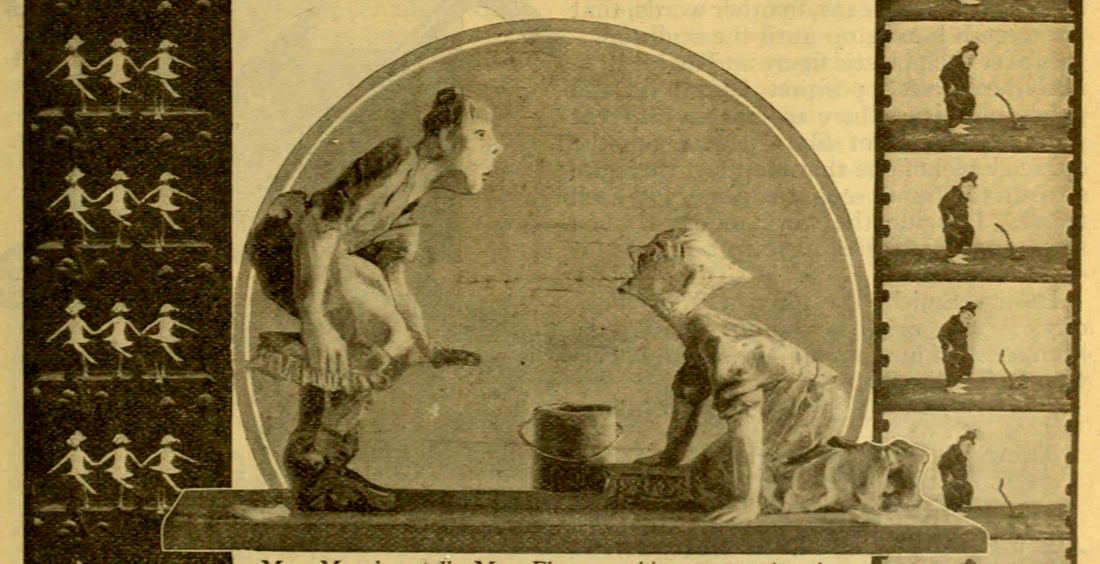
In the United States, Helena Smith Dayton experimented with clay figures around 1917, and Willis O'Brien moved model dinosaurs in his 1915 short The Dinosaur and the Missing Link. O'Brien's work on King Kong in 1933 is still seen as a milestone, and his student Ray Harryhausen went on to animate creatures for fantasy films for three decades.
Clay takes centre stage
Clay animation grew into a style of its own. Art Clokey started Gumby in 1955, and in 1975 Will Vinton and Bob Gardiner made Closed Mondays, the first stop-motion film to win an Oscar. In Britain, Aardman Animations was founded by Peter Lord and David Sproxton and became known worldwide for its Plasticine characters.
Puppet studios also flourished across Europe, especially in Czechoslovakia, Hungary and Poland, where stop motion was a major part of children's television.
Stop motion today
Computers did not replace stop motion. They made it easier, with digital cameras, instant playback and tools to remove support rigs. Laika in Oregon made Coraline in 2009, the first stop-motion feature shot in stereoscopic 3D, and has released a string of features since. Studios such as Laika use 3D printing to make large sets of replacement faces, swapping them frame by frame to create smooth expressions.
Start with your phone
Stop motion is one of the easiest kinds of animation to try at home. Fix your phone on a stand so it cannot move, use steady light instead of a window that changes with the clouds, and move a toy or a lump of modelling clay a tiny step between photos.
Free stop-motion apps can show a faint image of the previous frame, called onion skinning, to help you judge each move. Twelve photos make one second at 12 frames per second, so start with a short action.
- A puppet studio in 1955: Unicumcafe, CC BY-SA 4.0
- Ladislas Starevich: Unknown author, Public domain
- Clay animation in 1917: Helena Smith-Dayton, Public domain
Text written by Fantastic Cartoon.