The Rise of CGI
From a teapot to the first CG feature. Computer animation grew from lab experiments to Toy Story in 1995. The milestones, the famous Utah teapot and how CGI changed cartoons.

The real Utah teapot: The wub, CC BY-SA 4.0
A teapot in the lab
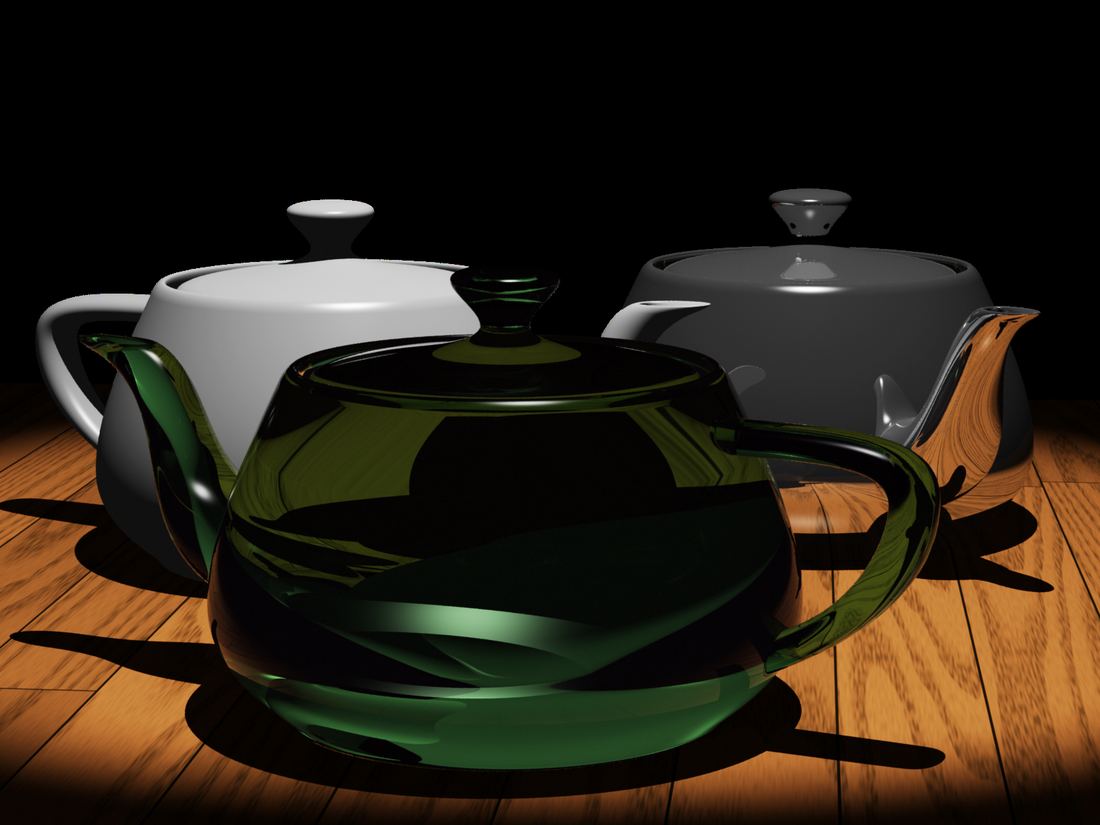
Computer animation began in university labs and research centres in the 1960s and 1970s. In 1975 Martin Newell, a researcher at the University of Utah, needed a familiar object to test his 3D graphics. His wife suggested their teapot. He measured it, turned it into mathematical curves and shared the data freely.
The Utah teapot became the most famous test object in computer graphics, rendered in thousands of materials and lighting setups. The real teapot now sits at the Computer History Museum in California.
Early screen milestones
Hollywood started experimenting in the late 1970s and early 1980s. Tron, released in 1982, used about 15 to 20 minutes of computer-generated scenes, mixed with live action and hand-made backlit effects. Computers of the time could not show the animation in real time, so frames were produced one by one and filmed off a screen.
In 1986 a small new company called Pixar showed Luxo Jr., a short about two desk lamps, at the SIGGRAPH graphics conference. It became the first computer-animated film nominated for an Academy Award, and it proved CG characters could have personality.
Toy Story changes everything
Toy Story, released on 22 November 1995, was the first feature film made entirely with computer animation. Animators posed the characters at key moments and let the software fill in the frames between, a digital version of the old keyframe method. The film needed 114,240 frames, about 800,000 machine hours of rendering and 1,561 shots.
Its success showed that audiences would embrace a full CG feature. Within a decade, most big studio animated films were made on computers.
What CGI kept from the past
Computer animation did not throw away the old craft. The 12 principles of animation, storyboards, voice recording and careful timing are all still at the heart of CG productions. Many top CG animators trained in hand-drawn animation first.
Today the tools keep changing, with real-time game engines and new rendering styles that make CG look painted or hand-drawn. Many recent films deliberately mix 2D and 3D looks, proving that the line between drawn and digital is getting harder to see.
How a CG shot is built
A computer-animated shot goes through several steps. Modellers build characters and sets as 3D shapes. Riggers add a digital skeleton and controls, much like the armature inside a stop-motion puppet. Animators pose those controls at key frames, and the software helps with the in-betweens.
Then lighting artists place virtual lights, and the computers of a render farm calculate the final image for every frame. Complex frames on a modern feature can take hours each to render.
- The real Utah teapot: The wub, CC BY-SA 4.0
- Teapots rendered by computer: Morn, CC0
Text written by Fantastic Cartoon.