The 12 Principles of Animation
The rules that make drawings feel alive. Squash and stretch, anticipation, timing and nine more. The 12 principles from The Illusion of Life (1981), explained in plain words.
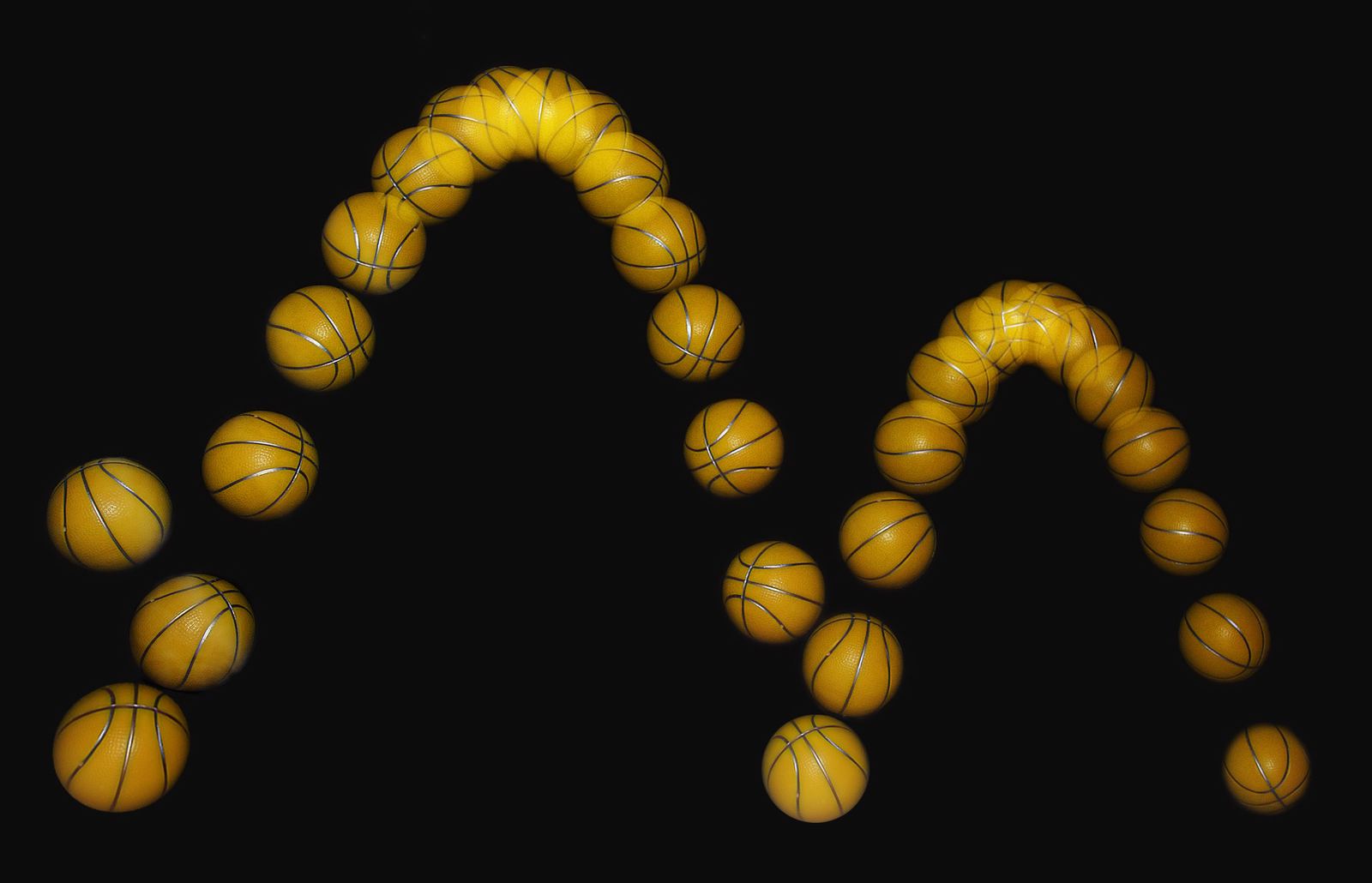
A real bouncing ball, frame by frame: MichaelMaggs Edit by Richard Bartz, CC BY-SA 3.0
Where the list came from
In 1981 two veteran Disney animators, Ollie Johnston and Frank Thomas, published The Illusion of Life. In it they described twelve principles that animators at the studio had worked out since the 1930s while trying to make cartoon characters move believably. The book became a standard text, and in 1999 readers of Animation World Network voted it the best animation book of all time.
The principles apply to drawn, stop-motion and computer animation alike. Most animation students meet them through one simple exercise: making a ball bounce.
Weight and timing
Squash and stretch gives objects weight and flexibility. A ball flattens when it hits the ground and stretches as it speeds up, but its volume should stay the same. Timing is the number of frames an action takes: more frames feel slow and heavy, fewer feel quick and light. Slow in and slow out means most movements speed up and slow down gradually, so animators put more drawings near the start and end of a move.
Arcs matter too. Living things rarely move in perfectly straight lines, so arms swing, heads turn and balls fly along curved paths.
Acting with drawings
Anticipation prepares the audience: a character crouches before jumping or pulls back an arm before a throw. Staging makes sure the important idea in a scene reads clearly. Follow through and overlapping action keep things moving after the main action stops, like hair or a tail settling a moment later. Secondary action adds smaller movements that support the main one, such as whistling while walking.
Exaggeration pushes poses and expressions further than real life so they read clearly on screen, without breaking the character.
Planning and appeal
Straight ahead action and pose to pose are two ways to work. Straight ahead means drawing frame after frame from the start, which feels loose and lively. Pose to pose means planning the key drawings first and filling in the rest, which gives more control. Solid drawing means giving characters real weight and three-dimensional form.
The final principle is appeal. Heroes and villains alike should be interesting to watch. Johnston and Thomas warned against twins, poses where the left and right sides mirror each other and look stiff.
Try the bouncing ball
To feel the principles for yourself, animate a ball bouncing across a page in about twelve drawings. Space the drawings close together at the top of each bounce, where the ball slows down, and further apart near the ground, where it moves fastest. Squash it flat on impact and stretch it a little just before and after.
Then try a heavy bowling ball and a light beach ball. Changing only timing and squash makes them feel completely different, which is the whole point of the exercise.
- A real bouncing ball, frame by frame: MichaelMaggs Edit by Richard Bartz, CC BY-SA 3.0
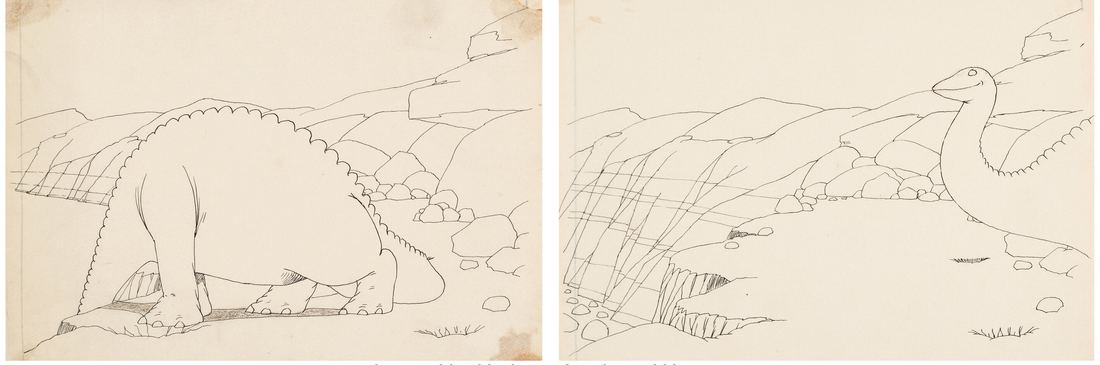
- Two frames, two poses: Winsor McCay, Public domain
Text written by Fantastic Cartoon.