Saturday Morning Cartoons
When TV made weekends for kids. For decades US networks filled Saturday mornings with cartoons. How the block began, how studios made shows fast and cheap, and why it faded.
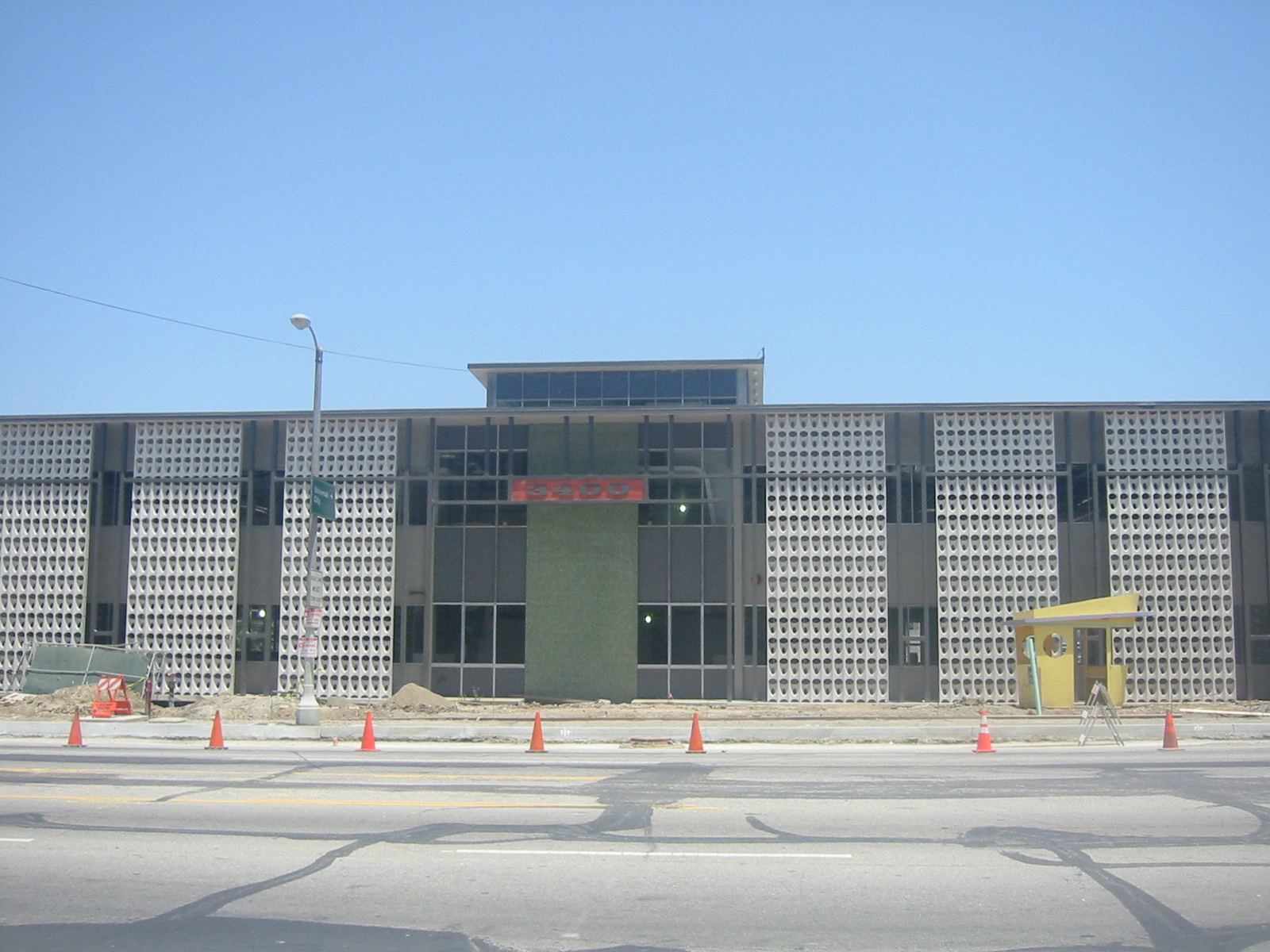
The former Hanna-Barbera building: Minnaert, Public domain
From cinemas to living rooms
In the 1950s, many classic theatrical cartoons found a second life on television. When MGM closed its cartoon studio in 1957, William Hanna and Joseph Barbera started their own company on 7 July 1957, aiming at TV. Their first series, The Ruff and Reddy Show, premiered on NBC that December.
TV budgets were tiny compared with cinema. Reportedly, a seven-minute theatrical short at MGM cost about 35,000 dollars, while a five-minute Ruff and Reddy episode had to cost no more than 3,000.
Limited animation
To meet those budgets, Hanna-Barbera pushed limited animation, an approach also used by the UPA studio. Characters often moved only their mouths or arms, bodies were drawn separately from heads, and backgrounds looped during chases. Strong voices, catchy music and simple, bold designs carried the shows.
Critics complained it was illustrated radio, but the method made weekly television cartoons possible. Many studios adopted it, and some of the most remembered characters of the era were built this way.
A weekend ritual
From the 1963 to 1964 season, CBS built a block of back-to-back cartoons on Saturday morning. Cereal and toy makers became major sponsors, and the other networks followed. For several generations of American children, Saturday morning meant pyjamas, a bowl of cereal and hours of cartoons.
Parents' groups pushed back on advertising aimed at children. In 1973 broadcasters agreed to limit ads to 12 minutes an hour during children's shows, and later rules required educational programming.
Why it faded
Cable channels dedicated to cartoons, home video and later streaming meant children no longer had to wait for Saturday. The Children's Television Act of 1990 and an FCC rule from 1997 requiring three hours a week of educational shows pushed networks toward live-action and educational programming.
The last traditional Saturday morning cartoon block on US broadcast television, The CW's Vortexx, ended on 27 September 2014. The ritual lives on in nostalgia and in on-demand libraries.
The tricks behind limited animation
Next time you watch an old TV cartoon, look for the shortcuts. A character's body may stay frozen while only the mouth moves. During a chase, the same background may scroll past again and again. A held pose with a sound effect can stand in for a complicated action.
These were deliberate choices to finish a show every week. Good writing, voice acting and music made sure audiences hardly noticed, and the style still influences comedy cartoons today.
- The former Hanna-Barbera building: Minnaert, Public domain
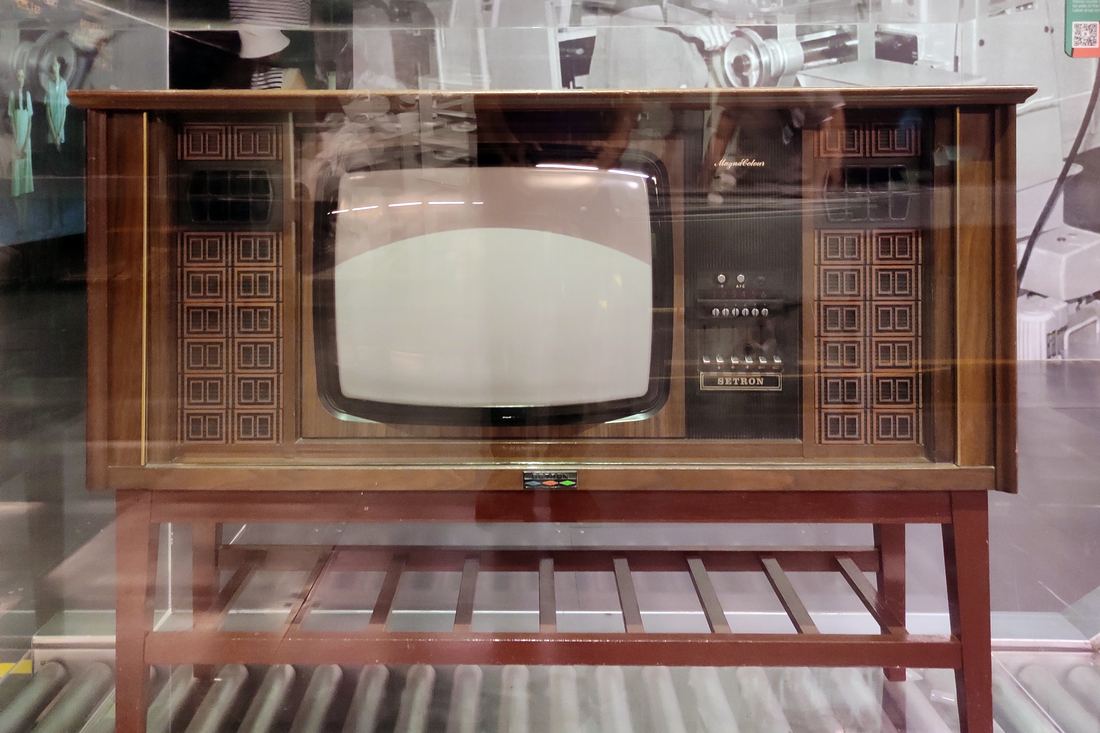
- A 1960s family TV: Moheen Reeyad, CC BY-SA 4.0
Text written by Fantastic Cartoon.