How a Cartoon Episode Is Made
From script to screen, step by step. Script, storyboard, voice recording, animatic, animation, colour and sound. The main stages every cartoon episode goes through, explained simply.
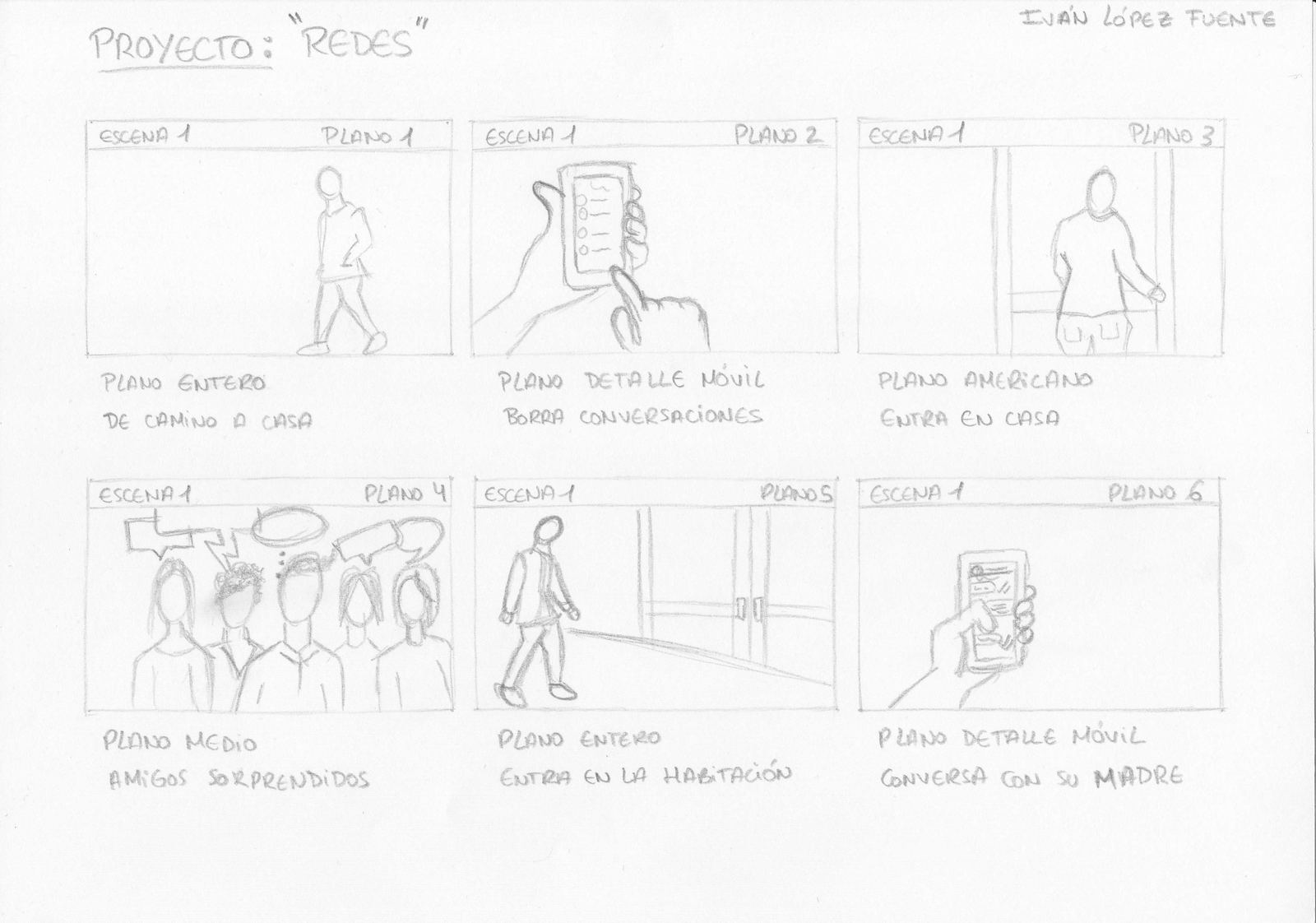
A storyboard page: Iván López Fuente, CC BY-SA 4.0
Writing and storyboarding
Every episode starts as an idea that becomes an outline and then a script. Next comes the storyboard, a comic-strip version of the episode with drawings for each shot, notes on action and dialogue, and camera directions. Storyboarding in its modern form was developed at Disney in the early 1930s, when story artists began pinning sketches on boards so the whole team could see the story at once.
Storyboards are cheap to change, so this is where most problems get fixed. Whole scenes can be rewritten, cut or added before anyone animates a single frame.
Voices and the animatic
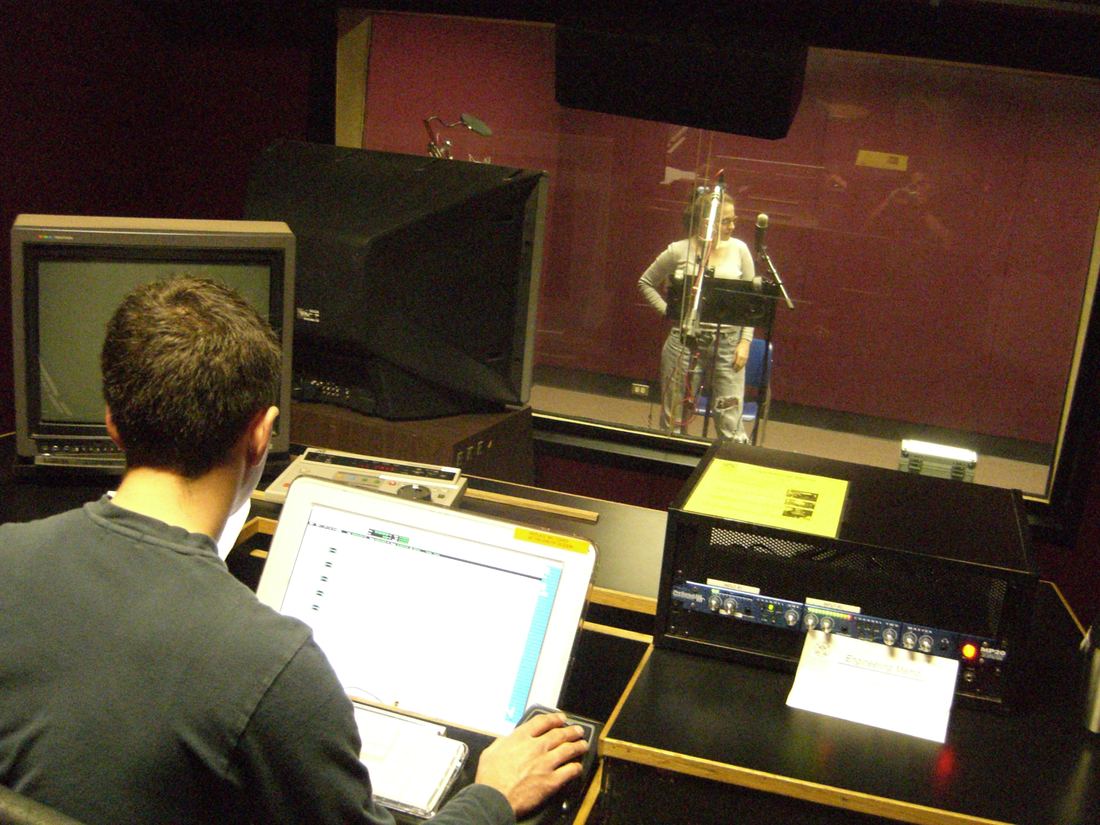
In most American and European productions the voice actors record their lines before animation starts. Animators then match the mouth shapes and acting to the real performance. Many Japanese productions do it the other way around, recording voices to the finished or nearly finished pictures.
Editors then cut the storyboard drawings together with the recorded dialogue and rough music to make an animatic. It is a slideshow version of the episode with the right timing, and it lets the director see whether jokes land and scenes flow before money is spent on animation.
Design, layout and animation
Designers create the final look of characters, props and locations, and layout artists plan each shot: where the camera sits, where characters stand and how they move. Then the animation itself begins, whether drawn by hand, built from digital puppets in 2D software, posed in 3D or shot in stop motion.
Large series often split this work between several studios, sometimes in different countries, with key animators setting the main poses and assistants completing the in-between drawings. Background painters and colour stylists finish the look of every scene.
Putting it together
In post-production, all the layers are composited together, effects like shadows and glows are added, and the editor locks the final cut. Composers and sound designers add music, footsteps, crashes and other effects, and everything is mixed with the dialogue.
A single 22-minute TV episode can take many months from script to broadcast, with dozens or even hundreds of people involved. That is why studios work on many episodes at once, each at a different stage of the pipeline.
Jobs on a cartoon crew
A cartoon crew includes many specialists. Writers and story artists shape the episode. Voice directors guide the actors. Character, prop and background designers create the world, and animators, assistants and clean-up artists bring it to life. Compositors, editors, composers and sound mixers finish the job.
Producers and production coordinators keep it all on schedule. Many professionals start in one role, such as storyboard revisions or in-betweening, and move into others as they gain experience.
- A storyboard page: Iván López Fuente, CC BY-SA 4.0
- Recording voices: Vincent Diamante, CC BY-SA 2.0
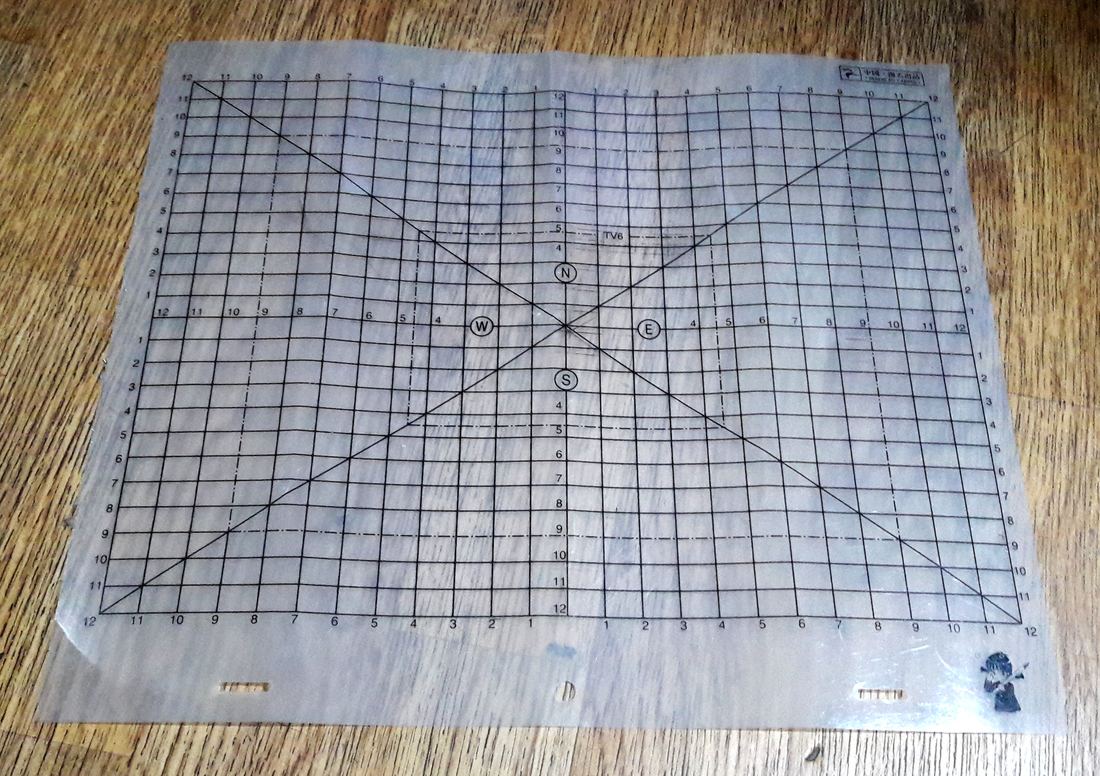
- An animator's field guide: Popolon, CC BY-SA 4.0
Text written by Fantastic Cartoon.