Fantasmagorie and Émile Cohl
The stick figure that started cartoons. In 1908 Émile Cohl made Fantasmagorie, often called the first animated cartoon. How 700 drawings became a wild two-minute dream on film.
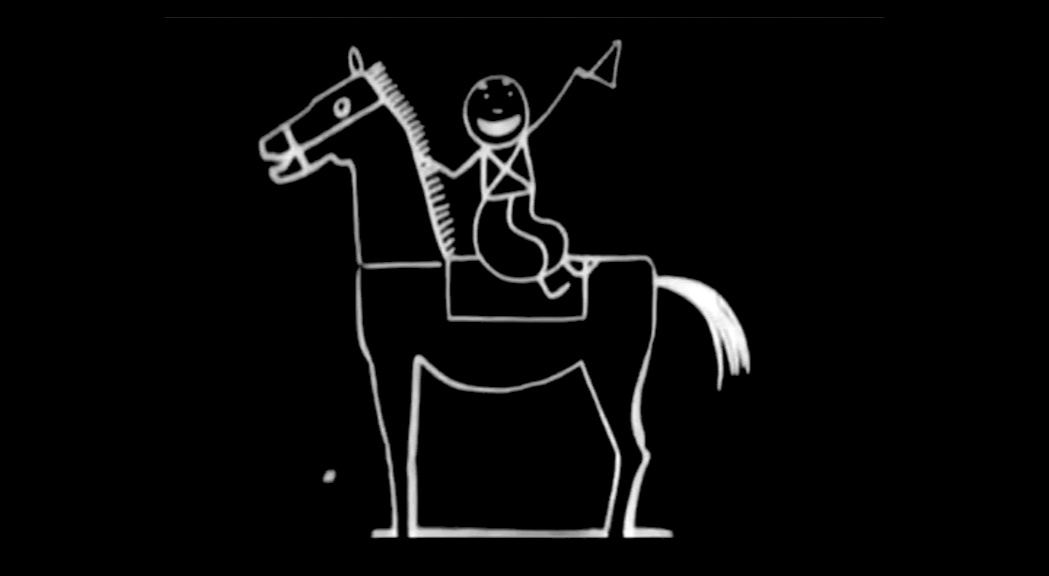
A frame from Fantasmagorie, 1908: Breve Storia del Cinema, Public domain
A cartoonist finds the camera
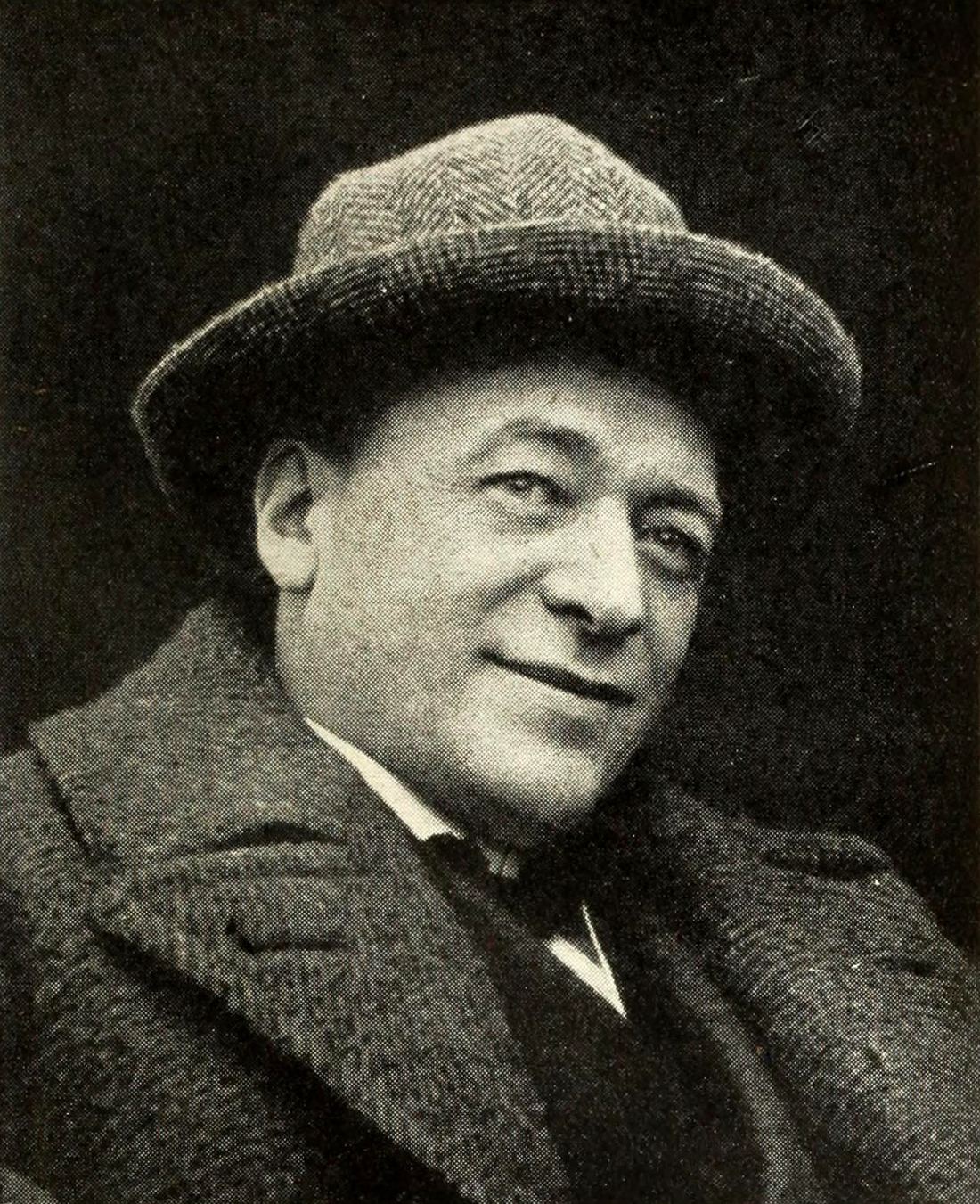
Émile Cohl was already in his fifties and well known as a caricaturist when he joined the Gaumont film company in Paris around 1908. He had been part of the Incoherents, a playful group of artists who loved absurd jokes and visual puns. Animation gave him a way to make those jokes move.
He worked in a corner of the studio with a camera mounted to shoot downward and an assistant to run it. From February to about June 1908 he drew the film that made his name.
700 drawings, one dream
Fantasmagorie was released on 17 August 1908. Cohl drew each image on paper, about 700 in all, and photographed each one twice, a method animators call shooting on twos. Because he worked with dark lines on white paper and then used the negative, the finished film looks like white chalk on a blackboard.
The story barely matters. A little clown changes into one shape after another: a bottle turns into a flower, the flower into an elephant, and the artist's own hands appear to put the character back together. It runs for almost two minutes and never stops changing.
Why historians call it the first
There were earlier experiments. The American J. Stuart Blackton made Humorous Phases of Funny Faces in 1906, mixing chalk drawings with camera tricks. Many film historians still give Cohl's film the title of first animated cartoon, because it was built entirely from a sequence of drawings rather than tricks added to live action.
The original negative is believed lost. Today's copies come from a surviving 16 mm print, which was restored for the film's 100th anniversary at the Annecy animation festival in 2008.
Cohl's legacy
Cohl went on to make many more short films in France and the United States, exploring drawn animation, puppets and cut-outs. He died in 1938, one day after a benefit screening of his work in Paris. He is often called the father of the animated cartoon, and his restless, shape-shifting style still inspires experimental animators.
Watch it with fresh eyes
Because the film is so short, it rewards a second look. Watch once for the story, then again and try to follow a single line as it bends into a new object. Cohl rarely cuts. Instead one shape flows into the next, a trick animators still call a morph or metamorphosis.
Fantasmagorie is in the public domain, and restored copies can be watched free online through film archives.
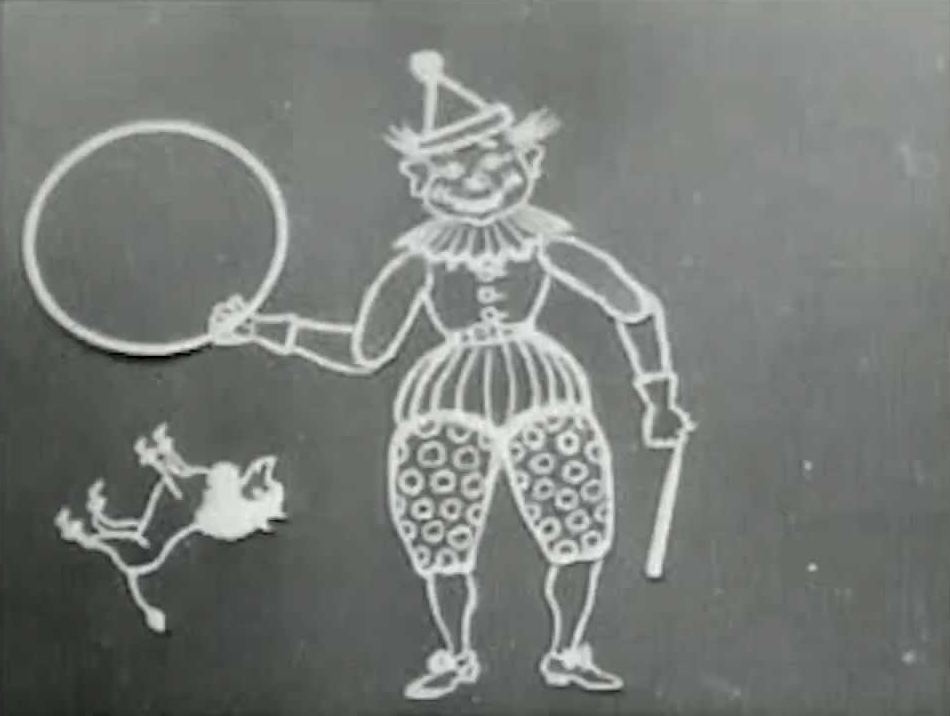
- A frame from Fantasmagorie, 1908: Breve Storia del Cinema, Public domain
- Émile Cohl: Unknown author, Public domain
- Blackton's 1906 chalk-line style: J. Stuart Blackton, Public domain
Text written by Fantastic Cartoon.